How to support staff through the Middle East crisis: A guide for employers
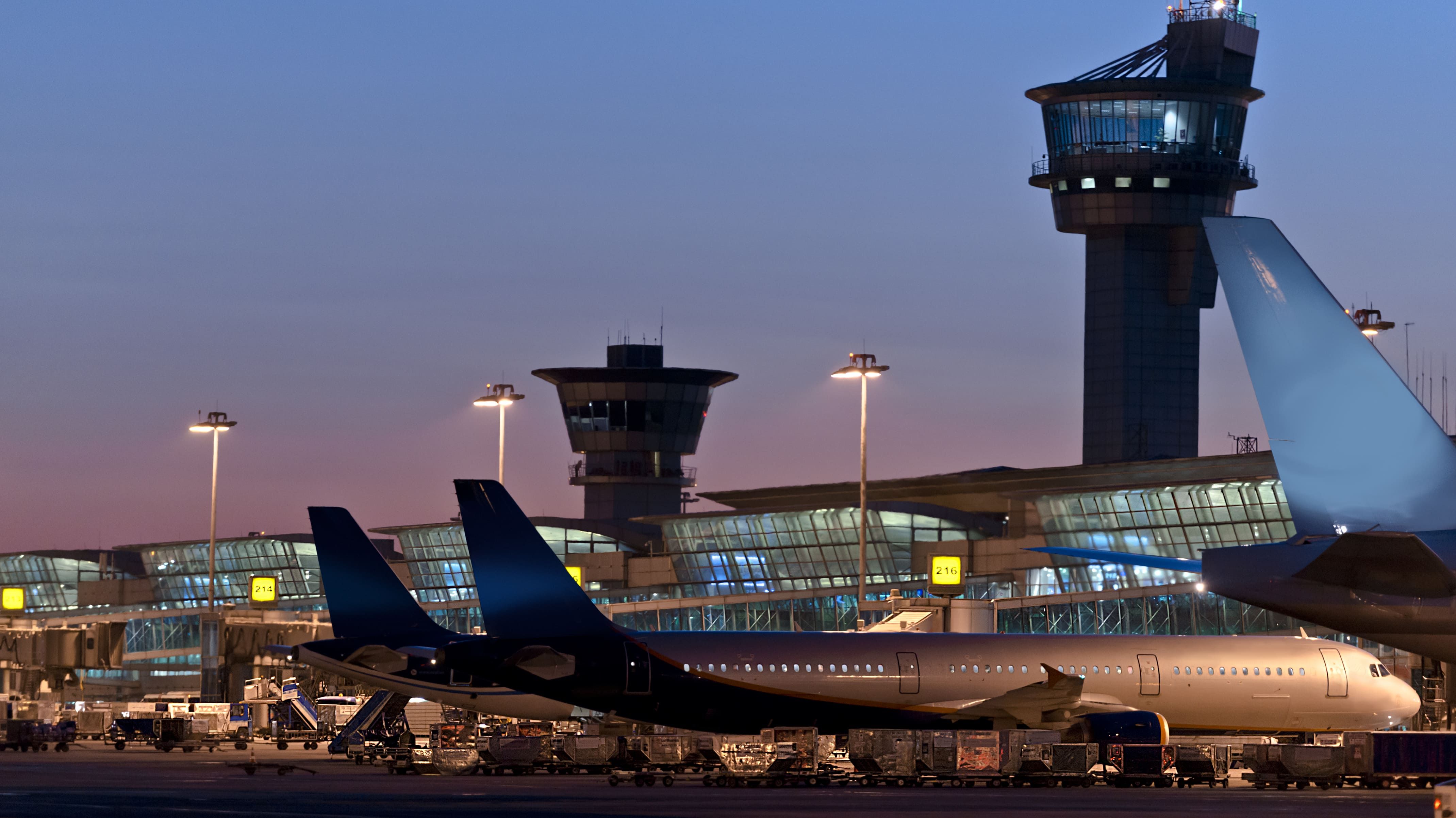
On 28 February 2026, the United States and Israel launched coordinated airstrikes on Iran, killing Supreme Leader Ali Khamenei and triggering the most significant military escalation in the Middle East in decades. Iran has responded with waves of missiles and drones targeting Israel, Gulf states, and US military bases across the region. The conflict has already claimed thousands of civilian lives, disrupted global energy shipments through the Strait of Hormuz, and drawn British forces into active defensive operations across Cyprus, Iraq, and the Gulf. Airspace across much of the region remains severely restricted, and the UK government has urged all British nationals in the Middle East to register with the Foreign, Commonwealth & Development Office (FCDO), and the foreign office has warned British travellers against all but essential travel to the UAE. [1][2][3]
For many employers, this is not a distant news story. It is something your staff are living through right now - some of them between meetings, and some of them stuck in a foreign territory with no confirmed flight home.
This article covers two distinct employer challenges: how to support employees who are directly or indirectly affected by the crisis, and how to assist staff who are physically stranded in the region and unable to return to work.
Summary
- Affected groups include Iranian diaspora, British Muslim and Jewish staff, those with family in Gulf states, and those with relatives in the Armed Forces - reactions vary widely and employers must not presume how any individual feels [4][5].
- The Equality Act 2010 protects race, national origin, and religion or belief; employers have a duty to take reasonable steps to to prevent harassment, not merely respond to it [6].
- Acknowledge the situation from leadership, reissue anti-harassment guidance before an incident occurs, brief line managers, and make mental health support visible.
- More than 21,300 flights have been cancelled since 28 February; employees stranded on business travel should normally remain on full pay [13].
- Stopping pay for employees unable to return to work without a clear contractual basis risks a claim for unlawful deduction of wages; options for standed employees include additional annual leave, discretionary paid leave, or unpaid leave where appropriate [13].
Who is affected, and how
The affected population in UK workplaces is broader than many employers initially assume.
Around 114,000 Iranian-born people live in the UK, according to the 2021 census [4]. Many arrived after the 1979 revolution and have built lives here, but maintain close ties to family and homeland. Since the strikes began, members of this community have reported being unable to reach relatives in Iran, with internet access cut across much of the country [5].
Reactions within the Iranian diaspora are also deeply complex. In areas of London like Finchley - known informally as "Little Tehran" - scenes of initial celebration at the death of Khamenei have given way to growing fear as the bombardment continues, civilians are killed, and contact with family in Iran proves impossible [7]. Some employees may feel relief at the weakening of a regime they fled, others feel anguish at watching their homeland destroyed; however, employers should not assume to know how their employees feel.
Beyond the Iranian diaspora, the crisis touches a far wider group of employees:
- British Muslim employees, including those of Arab, Pakistani, Lebanese, and other backgrounds. Vigils have been held at mosques across London, Birmingham, Manchester, and Nottingham since the conflict began, and at least 15 university Islamic societies have held gatherings [8].
- Jewish and Israeli staff, for whom Iran's sustained missile attacks on Israeli civilian areas - more than 90 strikes against Israel recorded in the first five days alone, with at least 10 confirmed direct hits on residential areas - represent an existential threat to family and community [1].
- Staff with connections to Gulf states including the UAE, Qatar, Bahrain, Kuwait, and Saudi Arabia, all of which have faced Iranian drone and missile strikes since 28 February [9].
- Employees with family members in the British Armed Forces, with UK service personnel deployed in active defensive operations across the region. In Bahrain alone, 300 British personnel were within 200 metres of an Iranian missile and drone strike on a US naval base [2].
No single emotional response defines any of these groups. What they share is the potential to arrive at work carrying significant trauma, fear, and grief - while being expected to perform as normal.
The legal position
Employers have obligations here, and these include:
A duty of care. Under the Health and Safety at Work Act 1974 and the Management of Health and Safety at Work Regulations, employers must protect the health, safety and welfare of their staff - including safeguarding them from psychological harm, not just physical.
Equality Act 2010. Race - which includes nationality and ethnic or national origins - and religion or belief are both protected characteristics under the Act [6]. Harassment experienced by employees due to their race/ religion or belief may be unlawful discrimination.
What to do now
1. Acknowledge the situation directly
Senior leaders and line managers should communicate with their teams to make clear the organisation is aware of what is happening and is committed to supporting affected staff. This does not require taking a political position. It requires being human: we see that some of you may be personally affected, and we are here to support you.
A brief all-staff communication - or a direct message from line managers to their teams - is more effective than a policy update buried in an intranet. The tone should be warm and specific, not corporate. Acknowledge the scale of the crisis. Acknowledge that reactions to it may vary widely.
2. Reissue anti-harassment guidance - before an incident occurs
Issue a clear reminder to all employees that discrimination, harassment, or hostile commentary directed at colleagues on the grounds of ethnicity, national origin, or religion is prohibited under the Equality Act 2010 and may result in disciplinary action up to dismissal [6]. Frame this as a statement of values rather than a reaction to a specific incident. The distinction matters: proactive guidance signals that the organisation takes the issue seriously, whereas responding to an incident signals that it took harm to prompt action.
3. Equip your line managers
Many managers are unsure how to raise the subject of a global crisis with affected employees without seeming intrusive, or how to respond if an employee discloses distress. The most important guidance is simple: ask open questions, listen without trying to fix, and signpost support. "How are you doing with everything that's happening?" is enough to open a door. What managers must avoid is offering their own analysis of the geopolitical situation or commenting on the rights and wrongs of the strikes - that is not their role, and getting it wrong carries real cultural and legal consequences. Brief line managers specifically on not making assumptions about how colleagues from affected backgrounds feel.
4. Review leave and flexibility arrangements
Consider whether your existing policies can accommodate employees who need time to manage the practical difficulties of trying to reach family in areas where communications are disrupted. Emergency dependants' leave under the Employment Rights Act 1996 covers situations involving a dependant who is ill or injured, which may be relevant where employees have relatives caught up in the conflict. Some of the arrangements that may help in this situation include remote working, flexible hours and time off for dependants.
5. Make mental health support visible
If your organisation has an Employee Assistance Programme, now is the time to actively signpost it - not just list it in an employee handbook. A brief manager communication naming the EAP, explaining that it includes counselling and 24-hour support lines, and noting that it is confidential removes the barrier of employees having to go looking for help during an already overwhelming period. If your organisation does not have an EAP, the NHS Every Mind Matters hub and Samaritans (116 123) offer free, immediate support that you can signpost directly [11].
What to avoid
1. Do not assume how individuals feel
The Iranian diaspora in the UK spans secular professionals, recent asylum seekers, and everything between [4]. A British Muslim employee of Lebanese background may have a very different relationship to this conflict than an Iranian colleague.
2. Do not allow political debate to target colleagues
Robust discussion of current affairs is a normal part of working life. Commentary that targets individuals based on their background or perceived sympathies is not. The line between them can feel unclear in a heated moment - which is exactly why clear guidance from the outset matters.
3. Do not treat this as a one-day action item
The conflict is ongoing and is expected to continue for weeks, at minimum [1]. Staff who appear to be coping now may struggle as the situation develops, as casualties mount, or as communication with family in the region remains cut off. Regular, informal check-ins from line managers over the coming weeks are more valuable than a single all-staff email.
When employees cannot get home
A separate and more immediate challenge faces employers whose staff were travelling - whether for business or on holiday - when the conflict escalated on 28 February.
More than 21,300 flights have been cancelled across seven major airports including Dubai, Doha, and Abu Dhabi since the strikes began [12]. Commercial services are resuming gradually, but the knock-on effects of repositioning planes and crew are expected to cause disruption well into mid-March. Many UK employees remain unable to return.
The first priority is welfare. Confirm that stranded employees are safe and have access to accommodation, funds, and communication. Then encourage them to register with the FCDO's crisis portal at gov.uk/foreign-travel-advice, which provides direct SMS and email alerts including shelter-in-place guidance and instructions for government-organised repatriation flights. Over 102,000 British nationals have already registered [14]. Document that affected staff have done so - this forms part of a demonstrable duty-of-care record.
Lauren Hutton, an Implementation Manager at Mentor, was on holiday in the UAE when the conflict escalated and found herself unable to return home. Her account of that experience reflects what effective line manager support looks like in practice:
“When the situation in the region escalated during my holiday in the UAE, I found myself unable to return home and stressed about being separated from my children. In an incredibly challenging personal situation, the support I received from my line manager reflected the strength of our organisation’s leadership and culture. Throughout the disruption, they checked in with me at key moments; not about work, but about me. Their genuine concern for my wellbeing, and their reassurance that my only focus should be on getting home safely, removed any additional stressors relating to work. My manager also worked closely with others to confirm additional safety measures I should take and ensure I was given the necessary time away from work. The empathy, guidance, and proactive support I was given demonstrated the compassionate, people first, culture we strive to create.”
Pay and leave
Employees stranded on business travel should normally remain on full pay, as the travel was at the employer's request. Where multiple employees are affected, apply the same approach consistently across comparable cases.
Frustration of contract and dismissal
Where an absence becomes genuinely open-ended, some employers consider whether the employment contract has come to an end in law - a doctrine known as frustration of contract. Under English law, frustration applies where an unforeseen event makes performance impossible or radically different from what was originally agreed, terminating the contract automatically without notice or dismissal. In employment, tribunals apply it very narrowly: the established cases involve long-term incapacity - catastrophic illness with no prospect of recovery, or lengthy imprisonment - not temporary disruption of foreseeable duration. For an employee stranded abroad due to an active conflict and airspace closures, frustration is unlikely to apply, and invoking it incorrectly exposes the employer to wrongful dismissal claims. Specialist employment law advice should be sought before any termination decision is made.
The longer view
Geopolitical crises often reveal gaps in how employers support their diverse workforces. The businesses that handle these moments well aren't doing anything extraordinary; they've simply built cultures where people feel safe sharing their difficulties, managers are equipped to respond with care, and policies are flexible enough to accommodate human needs.
Employers who navigated the Ukraine crisis from February 2022 will recognise many of these questions: how to acknowledge distress without making political statements, what leave flexibility looks like, and how to support employees who can't reach family in a conflict zone. Those who created lasting policies and communication norms from that experience have been better prepared for every crisis since.
The conflict that began on February 28, 2026, is another test of whether your organisation has built that kind of culture. For the employees affected - those watching the news between calls or unable to reach their parents for days - it is a test they will remember long after the crisis has passed.
This article is intended for informational purposes only and does not constitute legal advice. The information is accurate at the time of writing but may be subject to change. For advice specific to your situation, please consult a qualified professional.
[1] ACLED, Middle East Special Issue: March 2026, March 2026.
[2] Wikipedia, United Kingdom involvement in the 2026 Iran war, March 2026.
[3] GOV.UK, Prime Minister's Oral Statement on Iran, 2 March 2026.
[4] Wikipedia, Iranians in the United Kingdom, 2026.
[5] Institute for Nonprofit Governance, Act Now: Supporting Affected Communities During the Iran Crisis, March 2026.
[6] GOV.UK, Equality Act 2010.
[7] Cyprus Mail, Joy of UK's Iranian Diaspora Turning to Fear as Conflict Rocks Homeland, 5 March 2026.
[8] Religion Media Centre, Religion News 5 March 2026, 5 March 2026.
[9] Wikipedia, 2026 Iran War, March 2026.
[10] Rivermate, Employee Rights in United Kingdom, 2025.
[11] NHS, Every Mind Matters.
[12] Al Jazeera, Travellers Stranded, Airlines Under Pressure as Iran War Escalates, 3 March 2026.
[13] HRreview, Middle East Air Disruption Leaves UK Staff Stranded as Employers Weigh Pay and Absence Decisions, 4 March 2026.
[14] Travel and Tour World, TUI Issues Urgent UAE Travel Alert, March 2026.
Registered Office: 250 Bishopsgate, London EC2M 4AA.
Registered in England and Wales No. 16896022.